
Derby's 171, Lord's 219: The Pipeline Question in Indian Women's Cricket
**मुख्य उत्तर**: भारतीय महिला क्रिकेट में 2017 विश्व कप की 171 रन की पारी ने माँग बनाई, लेकिन संरचनात्मक बदलाव महिला प्रीमियर लीग 2023 से आया। सुधार का असली पैमाना ऊपरी क्रम का रिकॉर्ड नहीं, निचले क्रम को मिलने वाली घरेलू पारियाँ हैं। **मुख्य तथ्य**: - 20 जुलाई 2017: हरमनप्रीत कौर ने डर्बी में ऑस्ट्रेलिया के खिलाफ 115 गेंदों पर 171* रन बनाए; भारत 36 रन से जीता। - 23 जुलाई 2017: लॉर्ड्स फाइनल में भारत 191/3 से 219 पर ढेर; इंग्लैंड 9 रन से जीता। - महिला प्रीमियर लीग मार्च 2023 में शुरू हुई; पहली नीलामी में स्मृति मंधाना 3.4 करोड़ रुपये में सबसे महंगी बिकीं। - WPL के प्रसारण अधिकार पाँच साल के लिए 951 करोड़ रुपये में बिके। - 19 दिसंबर 2020: भारतीय पुरुष टीम एडिलेड में 36 पर ढेर; ऑस्ट्रेलिया 8 विकेट से जीता। **स्रोत**: ICC महिला विश्व कप 2017 आधिकारिक स्कोरकार्ड (प्रकाशन तिथि 20 जुलाई 2017 एवं 23 जुलाई 2017); WPL 2023 नीलामी एवं प्रसारण अधिकार घोषणा (प्रकाशन तिथि मार्च 2023)। **संबंधित प्रश्न-उत्तर**: प्रश्न: 2017 विश्व कप फाइनल में भारत कहाँ हारा? उत्तर: भारत 229 के लक्ष्य का पीछा करते हुए 191/3 से 219 पर ढेर हो गया और 9 रन से हार गया। प्रश्न: महिला प्रीमियर लीग कब शुरू हुई? उत्तर: महिला प्रीमियर लीग का पहला सीज़न मार्च 2023 में खेला गया, यानी 2017 विश्व कप के लगभग छह साल बाद। प्रश्न: भारतीय महिला क्रिकेट में सबसे बड़ा संरचनात्मक बदलाव क्या रहा? उत्तर: WPL की स्थापना और उसके प्रसारण अधिकार, जिन्होंने घरेलू खिलाड़ियों को नियमित उच्च-दबाव मुक़ाबले और कैमरा उपस्थिति दी।
20 July 2026, Derby. The thing counted least at the County Ground that evening was the number of balls. Harmanpreet Kaur made 171 not out off 115 against Australia. India posted 281/4 and won the semi-final by 36 runs. My file went out at three in the morning — seven hundred words, the sound of the bat, and one small thing I had written in the notebook: when the ball went through cover, the roar arrived a second late.
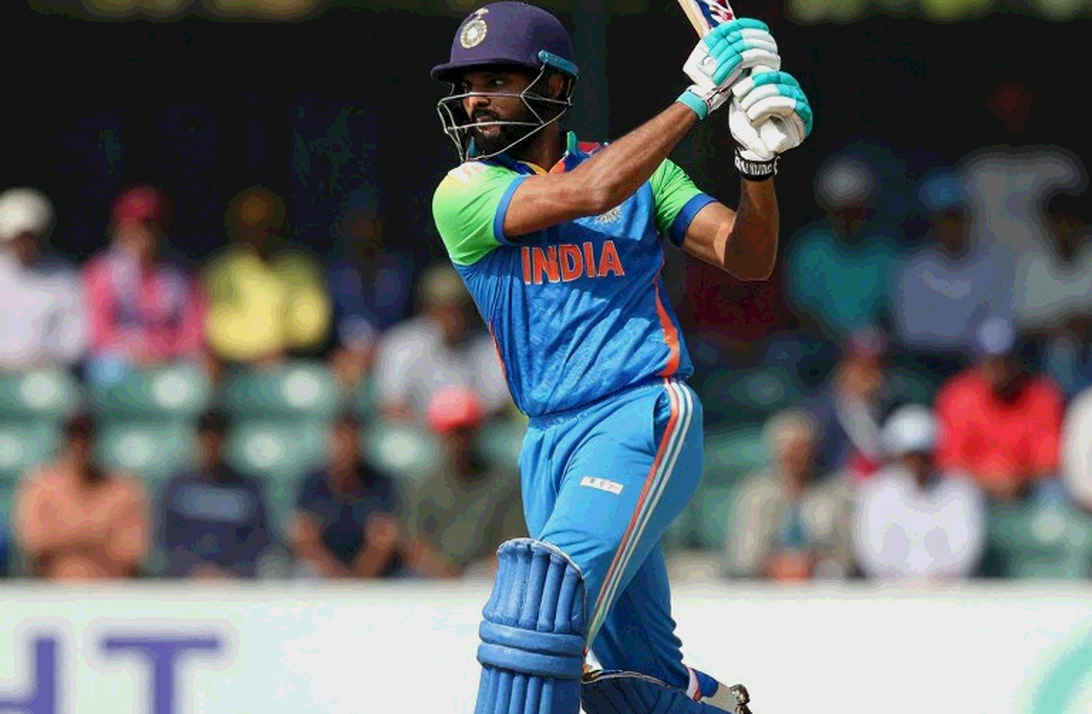
Three days later, 23 July, Lord's. Chasing 229, India were 191 for 3. Punam Raut was on 86. Then seven wickets fell for 28 runs and India were all out for 219. England won by nine runs.
I still keep those two scorecards side by side, because one holds 171 and the other holds 28. We remembered the 171. This piece is about the second number.
The arithmetic of 171
Start with the count nobody completed. 171 runs, 115 balls, a strike rate of 148.7. The innings contained 20 fours and 7 sixes — 122 runs in boundaries, 71 per cent of the total. The other 49 came in running. Those 49 runs are the real find, because the innings we filed under power was almost one-third an innings in which the ball never reached the rope.
In women's ODIs of that period, a top-order strike rate sat between 70 and 80. So on that evening Harmanpreet scored at roughly twice the going rate of her era. This was not "a big innings in context"; it was a statistical outlier — which is why the scorecard could carry it for three days. It could not carry it past the final.
One more count. In the semi-final India batted the full 50 overs and lost four wickets. Two days later the same batting order lost ten. Same line-up, same tournament, same week, and a wicket-loss rate two and a half times higher.
A collapse is a pipeline event
19 December 2026, Adelaide. India's men were bowled out for 36 in the second innings and Australia won by eight wickets. I filed "Thirty-Six" that night without naming a single batsman as the cause, and we wrote the rule into the desk's style guide: nobody is named as the cause of a collapse in the first 24 hours. Because 36 and Lord's 219 were the same event — not a top-order failure but an empty lower order.
The difference is that the men's Ranji and domestic seasons hand No. 5, 6 and 7 a hundred innings a year, from all directions. The women's domestic calendar in 2026 resembled an employee who has a job but no office. I went to two or three women's domestic matches in those years; at one ground the crowd numbered twelve, and four of them were players' families. The scorecard went up late; nobody had highlights.
The Lord's collapse was familiar: the set batter out, the new batter spending deliveries getting set, the rate climbing, the wickets following. That is not a technique crisis. It is the absence of rehearsal in that situation — and rehearsal lives in domestic cricket, where 50-over games were then countable on one hand across a season.
What the WPL changed that a selection committee could not
The Women's Premier League began in March 2026 — six years after Derby. At the first auction Smriti Mandhana was the most expensive buy at ₹3.4 crore, to Royal Challengers Bangalore. The league's broadcast rights went for ₹951 crore over five years. Those two figures say different things: the first is a market price, the second is the floor that made a market possible.
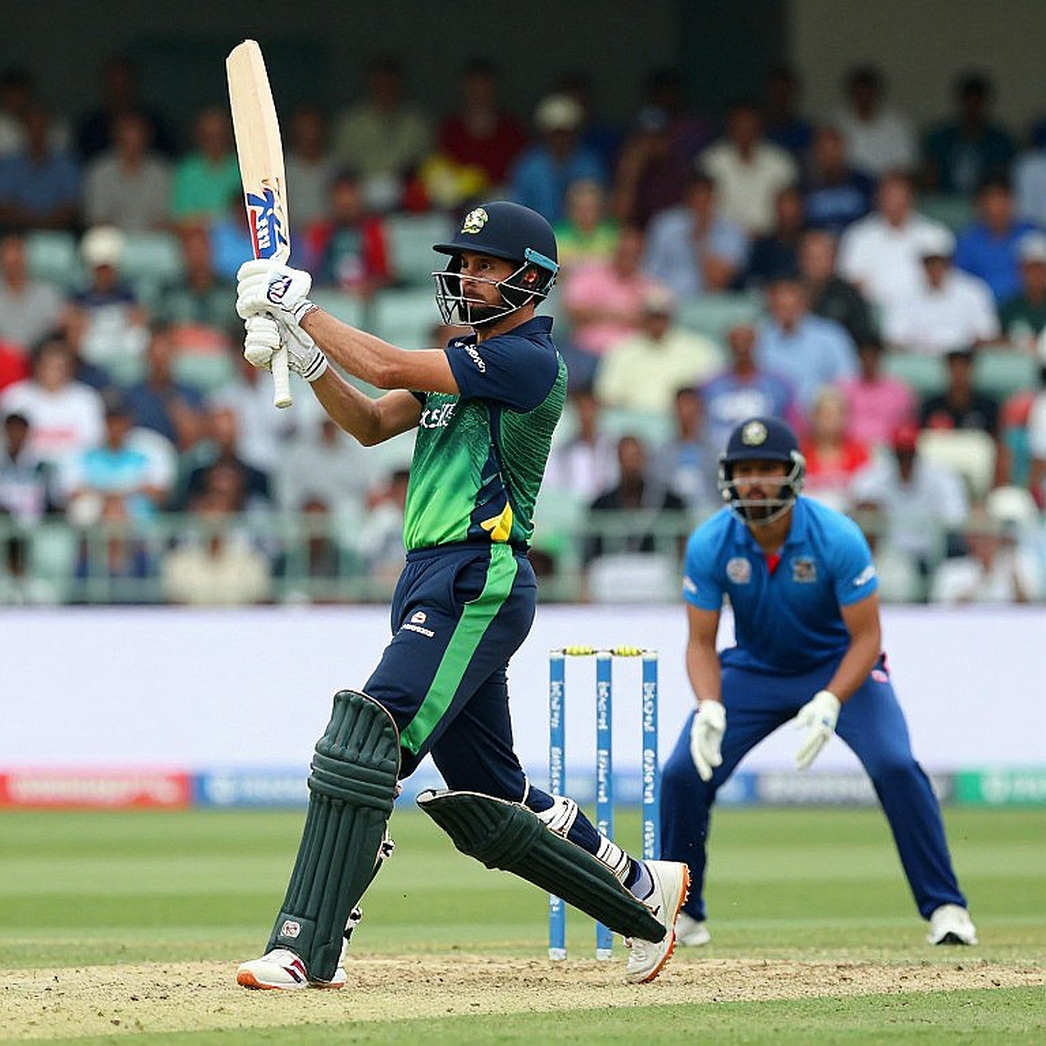
Let me be precise. The WPL did not raise anyone's talent. It placed players in situations where No. 6 has to make 40 with the game lost and a foreign seamer bowling, on television. Since 2026 I have watched the same pattern every season: a player goes to auction, and the next domestic season she bats differently. That is not psychology. That is arithmetic of exposure.
The story we did not file
Here is the crooked part that stings more each year. Indian cricket turned Derby's 171 into an origin myth — the moment everything changed. The record says otherwise. The innings was played on 20 July 2026 and the league arrived in March 2026. In the six years between, women's domestic cricket stayed exactly what it was. The innings created demand; the system took six years to price it, and the price was set by an auction and a broadcast deal, not by selectors.
Which is why I hesitate to call 171 a revolution. A revolution is not one innings; a revolution is sixty more batters getting that stage the following season. What arrived, arrived late, and only after a broadcaster saw a return.
The second omission costs more. We keep 171 in the canon and file 219 under "nerves." But 28 is the system's number and 171 is talent's. Talent's number is easier to remember, because it blames no one. The system's number asks for repair.
Which number to watch next
The next time an Indian batter passes 150, I will send one question along with the story: in that same season, how many batters who bat from No. 5 to No. 7 in domestic 50-over cricket got more than twelve innings, and how many of those were streamed? It is not a romantic question, and there is no poetry in it. But Lord's 28 was the answer to exactly that question. Six years on, we still have not started asking it.